Thinking about upgrading your home's insulation but worried about the cost? Don't be! Government incentives, utility company programs, and even local initiatives offer significant insulation rebates that can dramatically reduce your out-of-pocket expenses. This comprehensive guide will walk you through everything you need to know to access these valuable savings and improve your home's energy efficiency.
Understanding Insulation Rebates
What Are Insulation Rebates?
Insulation rebates are financial incentives offered by various government agencies, utility companies, and local organizations to encourage homeowners to improve their home's energy efficiency through insulation upgrades. These rebates often come in the form of tax credits, direct payments, or discounts on insulation materials and installation. Many programs are designed to help low-to-moderate income families afford these crucial home improvements, making them more accessible than ever before. Securing these energy rebates can significantly reduce the upfront cost of enhancing your home’s energy efficiency and saving money on utility bills.
Types of Insulation Grants and Tax Credits
Several types of financial assistance are available for insulation projects. Insulation grants provide direct financial aid, often based on income eligibility. Tax credits reduce your overall tax liability, lowering the amount you owe the government. The availability and amounts of these grants and credits vary depending on your location, income level, and the type of insulation installed. Understanding the difference between these programs will help you identify the most suitable option for your needs. Both options provide valuable incentives towards renewable energy initiatives.
Benefits of Insulation Rebates
Insulation rebates offer a multitude of benefits beyond simple cost savings. The primary benefit is the significant reduction in energy bills, leading to substantial long-term cost savings. Improved home comfort is another key advantage, as better insulation helps regulate indoor temperatures year-round. Furthermore, upgrading insulation boosts your home's value, making it a smart investment in your property. By improving energy efficiency and reducing energy waste, you also contribute to a smaller carbon footprint and support sustainable energy practices. These combined benefits illustrate why taking advantage of insulation rebates is a worthwhile endeavor.
How to Apply for Insulation Rebates
Eligibility Requirements
Eligibility requirements for insulation rebates vary considerably depending on the specific program. Income limits are a common factor, particularly for programs aimed at low- and moderate-income families. The types of qualifying improvements also differ; some programs may focus solely on attic insulation, while others may include wall, basement, or crawl space insulation. Understanding the specific criteria for each program is crucial to a successful application. A home energy audit can often help determine eligibility by quantifying energy loss and the potential impact of improvements.
Application Process
The application process generally involves completing an application form, providing documentation like proof of income and energy bills, and often obtaining a quote from a qualified contractor for the insulation work. Application deadlines vary, so acting promptly is essential. Remember to carefully review all instructions and requirements before submitting your application to avoid delays or rejection. Many programs also specify the rebate amounts and details of what the payment entails.
Tips for a Successful Application
To improve your chances of a https://freehold-township-nj-08757-r-t-5-2-5.wpsuo.com/master-your-home-s-climate-choosing-the-right-insulation-in-2025 successful application, start by conducting a thorough home energy audit to identify areas needing improvement and to obtain necessary documentation. Gathering all required documents upfront will streamline the process. Choosing a reputable and certified insulation contractor will help ensure your work meets program standards. Finally, be sure to contact the relevant program administrator if you have any questions or need clarification during the process. This proactive approach significantly improves your chances of receiving your rebate.
Available Insulation Rebate Programs
Federal Rebates
The federal government offers various energy-efficiency tax credits and rebates through programs like Energy Star. These programs often provide incentives for energy-efficient home improvements, including insulation upgrades. Checking the IRS website and other federal resources is essential to stay updated on current offerings and eligibility criteria. These federal rebates often complement state and local programs, potentially maximizing your savings.
State-Specific Rebates
Many states also offer their own insulation rebate programs, often in partnership with utility companies or local governments. These programs often prioritize specific insulation types or target low-income households. Checking with your state's energy office or public utility commission is the best way to identify available options and discover any neighborhood programs. State-level incentives are often more readily accessible than federal programs.
Utility Company Incentives
Utility companies frequently offer insulation rebates to their customers as part of their energy efficiency initiatives. These incentives often involve discounts on insulation materials or installation services through participating contractors. Contacting your utility company directly is crucial to learn about their specific offerings, as these incentives and contractor rebates can significantly influence project costs. Some programs may offer flexible financing options for the purchase of insulation.
Choosing the Right Insulation Material
Comparing Insulation Options
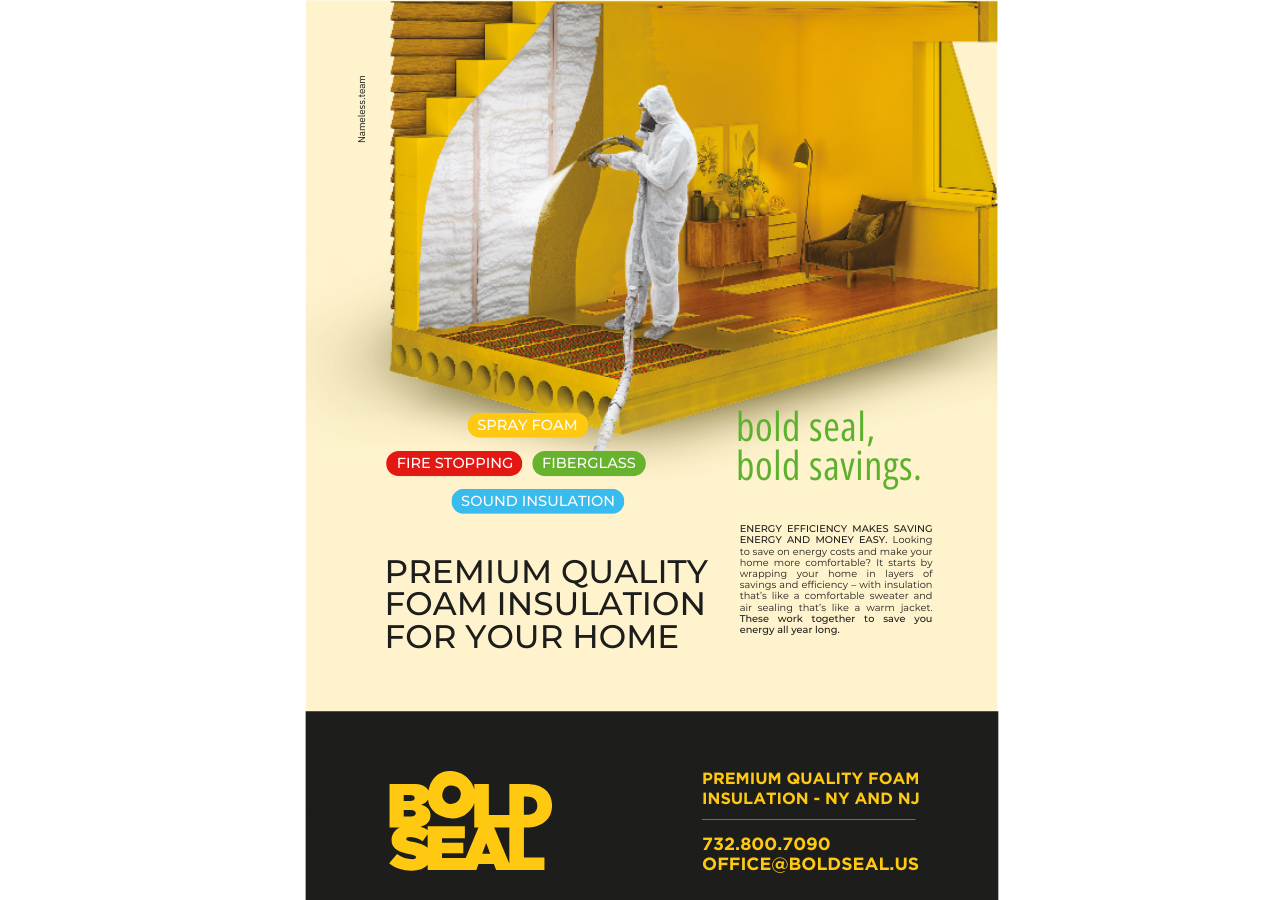
Several insulation materials are available, each with its own characteristics, costs, and energy-saving potential. Fiberglass insulation is a common and relatively inexpensive option, while cellulose insulation offers excellent thermal performance and is made from recycled materials. Spray foam insulation provides superior air sealing and high R-value, but it tends to be more expensive. Evaluating your needs and budget is crucial to determine the best material choice. Consider factors like air sealing and how it will affect your project's overall success.
Costs vs. Benefits of Different Insulation Types
The cost of insulation varies depending on the material, the amount needed, and the installation complexity. However, the long-term energy savings generated by improved insulation usually far outweigh the initial investment. While spray foam is a more expensive initial investment, it’s crucial to weigh that against its superior performance over fiberglass or cellulose insulation. Consider the long-term benefits when evaluating which option best suits your energy-efficiency goals.

FAQs about Insulation Rebates
- What are the steps to find local insulation rebate programs? Contact your local utility company, visit your state's energy office website, or search online for "insulation rebates [your zip code]". How much can I expect to save with insulation upgrades? Savings vary widely depending on factors such as your home's size, current insulation levels, and climate, but energy savings can be substantial. Are there special programs for low-income households? Many programs prioritize low-income homeowners, offering additional incentives or assistance.
Long-Term Benefits of Investing in Insulation
Investing in insulation offers significant long-term benefits that extend beyond immediate energy savings. Improved climate control enhances your home's comfort, leading to a more enjoyable living environment. Proper insulation also increases the value of your home, making it a sound investment for resale. These factors combine to justify the investment in energy efficiency upgrades.
Environmental Impact of Insulation Upgrades
Insulation upgrades contribute positively to the environment. By reducing your reliance on energy-intensive heating and cooling systems, you lessen your carbon footprint and promote energy conservation. This commitment to sustainable energy practices contributes to a healthier planet for everyone. Choosing eco-friendly insulation materials further enhances the positive environmental impact.
In conclusion, taking advantage of insulation rebates is a smart, cost-effective way to improve your home's energy efficiency, lower your utility bills, increase your home's value, and contribute to a greener future. Don't miss out on these valuable opportunities – start researching available programs in your area today!